Campaign
Formalising Zimbabwe’s Informal Mining Sector: A National Solution for Jobs, Growth and Responsible Resource Management
Zimbabwe’s informal mining sector should be transformed through accessible licensing, regulation and accountability—not perpetual conflict. ZIWA calls for practical reforms that empower Zimbabweans to participate legally in mining, create jobs, increase Government revenue and end the cycle of violence between enforcement authorities and informal miners.
By Zimbabwean Informal Workers Association (ZIWA)
Zimbabwe is endowed with abundant mineral resources capable of transforming the country’s economy, creating employment opportunities and improving the livelihoods of millions of citizens. Yet despite this immense potential, tens of thousands of Zimbabweans continue to participate in mining outside the formal regulatory framework.
The existence of a large informal mining sector is not simply a law enforcement challenge. It is fundamentally an economic and policy challenge. Where legitimate opportunities are inaccessible, citizens inevitably seek alternative means of survival.
For years, Zimbabwe has witnessed recurring confrontations between informal miners and law enforcement agencies. While Government has a constitutional responsibility to regulate mining activities, enforcement alone has not eliminated informal mining. Instead, thousands of Zimbabweans continue to risk their lives and livelihoods because formal participation remains beyond the reach of many ordinary citizens.
ZIWA believes Zimbabwe requires a new national strategy—one that transforms informal miners into licensed, accountable and productive contributors to the national economy.
A Policy Based on Inclusion Rather Than Exclusion
Zimbabwe should introduce a simplified licensing system specifically designed for small-scale and artisanal miners.
Instead of treating informal miners primarily as offenders, Government should recognise them as potential entrepreneurs capable of contributing significantly to national development when operating within a lawful and regulated framework.
Accessible licensing would enable miners to:
* Operate legally.
* Pay taxes and royalties.
* Access financial services.
* Improve workplace safety.
* Receive technical training.
* Protect the environment.
* Participate in legitimate mineral markets.
Such reforms would strengthen rather than weaken Government oversight.
Returning Economic Opportunities to Zimbabweans
The liberation struggle sought to ensure that Zimbabwe’s natural resources would ultimately benefit the people of Zimbabwe.
ZIWA believes that the country’s mineral wealth should continue to serve that objective by expanding lawful economic participation among Zimbabwean citizens.
Creating practical pathways for Zimbabweans to obtain mining licences would broaden economic participation, strengthen local enterprise and ensure that the benefits of mineral development are shared more widely while remaining subject to national laws and regulatory oversight.
Formalisation is not about removing regulation. It is about making regulation accessible, practical and effective.
Economic Benefits of Formalisation
A properly regulated small-scale mining sector has the potential to generate substantial national benefits.
Formalisation would increase:
* Government tax revenue.
* Mineral royalty collections.
* Employment opportunities.
* Rural economic development.
* Foreign currency earnings.
* Investor confidence.
* Environmental accountability.
Instead of spending significant public resources on repeated enforcement operations, Government could invest those resources in licensing systems, geological support, environmental management and mining safety programmes.
A regulated mining industry creates stability for both Government and mining communities.
Violence Is Not a Sustainable Mining Policy
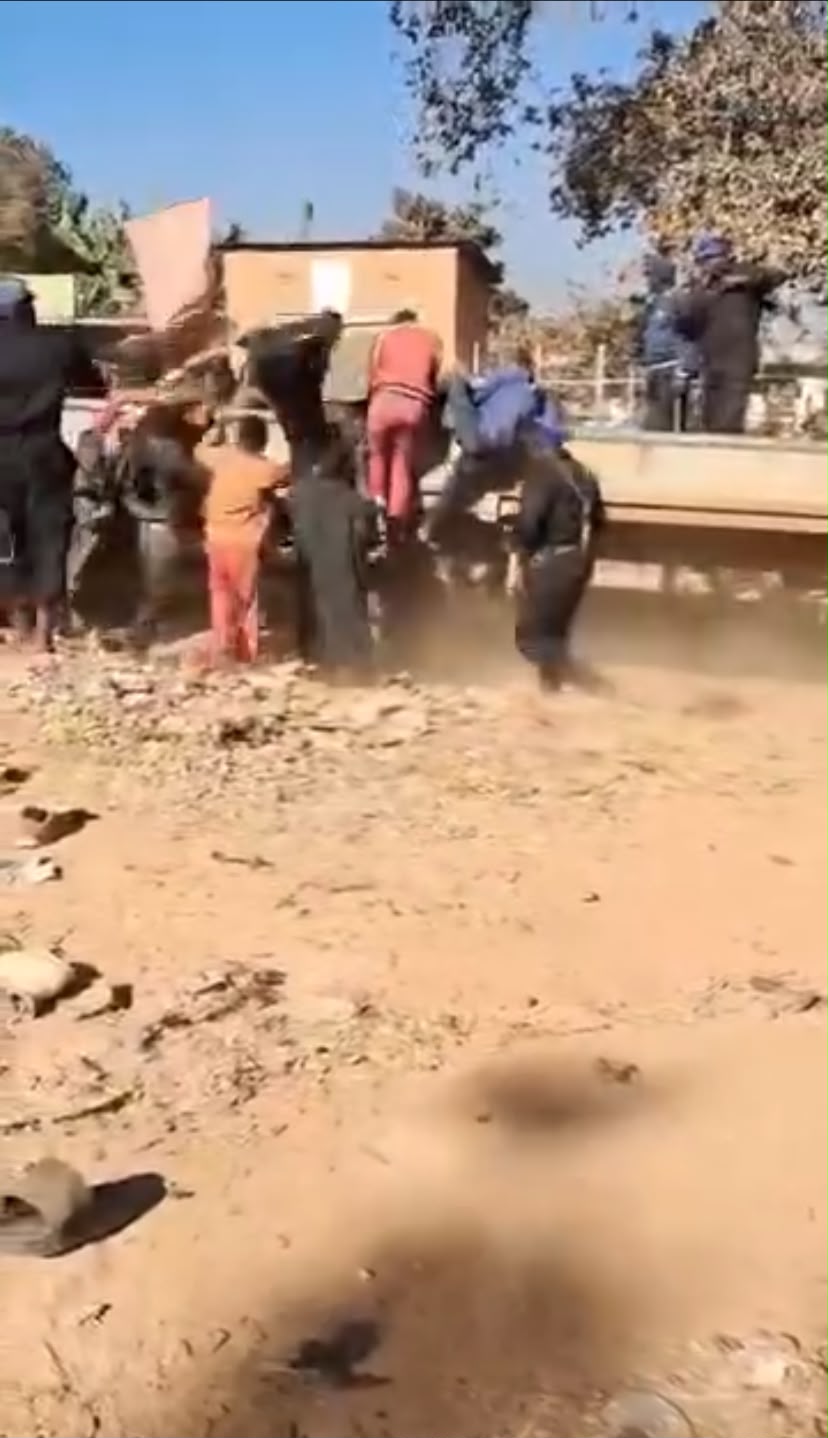
ZIWA is deeply saddened by images and video footage circulating from recent enforcement operations which appear to show informal miners being subjected to force during policing operations.
Every law enforcement officer has a duty to maintain public order and uphold the law. Equally, every Zimbabwean is entitled to dignity, protection and equal treatment under the Constitution.
Recurring confrontations between informal miners and law enforcement demonstrate that enforcement alone has not resolved the underlying challenges.
Zimbabwe cannot build a prosperous mining industry through repeated cycles of confrontation, injury and economic exclusion.
Where allegations arise regarding excessive force or unlawful conduct during enforcement operations, independent investigations should be undertaken through the appropriate legal and oversight institutions so that accountability is maintained in accordance with the law.
From Enforcement to Partnership
ZIWA does not advocate lawlessness.
We advocate a policy shift.
Rather than viewing thousands of unemployed Zimbabweans solely through the lens of criminal enforcement, Government should create practical pathways into the formal mining economy.
Licensed miners would accept responsibilities alongside their rights, including:
* Compliance with mining laws.
* Payment of taxes and royalties.
* Environmental rehabilitation.
* Occupational safety standards.
* Respect for designated mining areas.
* Cooperation with regulatory authorities.
Where there are privileges, there must also be responsibilities.
A National Opportunity
Zimbabwe possesses one of Africa’s richest mineral endowments. Those resources should become a foundation for employment creation, poverty reduction and inclusive economic growth.
Formalising informal mining is not an act of weakness.
It is an investment in Zimbabwe’s future.
The Zimbabwean Informal Workers Association calls upon Parliament, the Ministry responsible for Mines and Mining Development, relevant Government agencies, traditional leaders, mining communities, civil society and all stakeholders to begin meaningful national dialogue towards a modern, accessible and accountable framework for small-scale mining.
Zimbabwe’s mineral wealth should unite the nation through opportunity—not divide it through exclusion and recurring conflict.
When ordinary Zimbabweans are empowered to participate legally, responsibly and productively in the mining sector, the entire nation stands to benefit.
⸻
Zimbabwean Informal Workers Association (ZIWA)
“Championing the Rights, Dignity and Economic Empowerment of Zimbabwe’s Informal Workers.”